

Quick answer
A supply chain is the full set of processes that turns raw materials into a finished product and gets it to the customer: sourcing, production, storage, transportation and delivery. It goes well beyond logistics, which only covers moving and storing goods. A well-run supply chain lowers costs, speeds up delivery and keeps customers satisfied, while a poorly run one shows up fast as stockouts, delays and wasted spending.
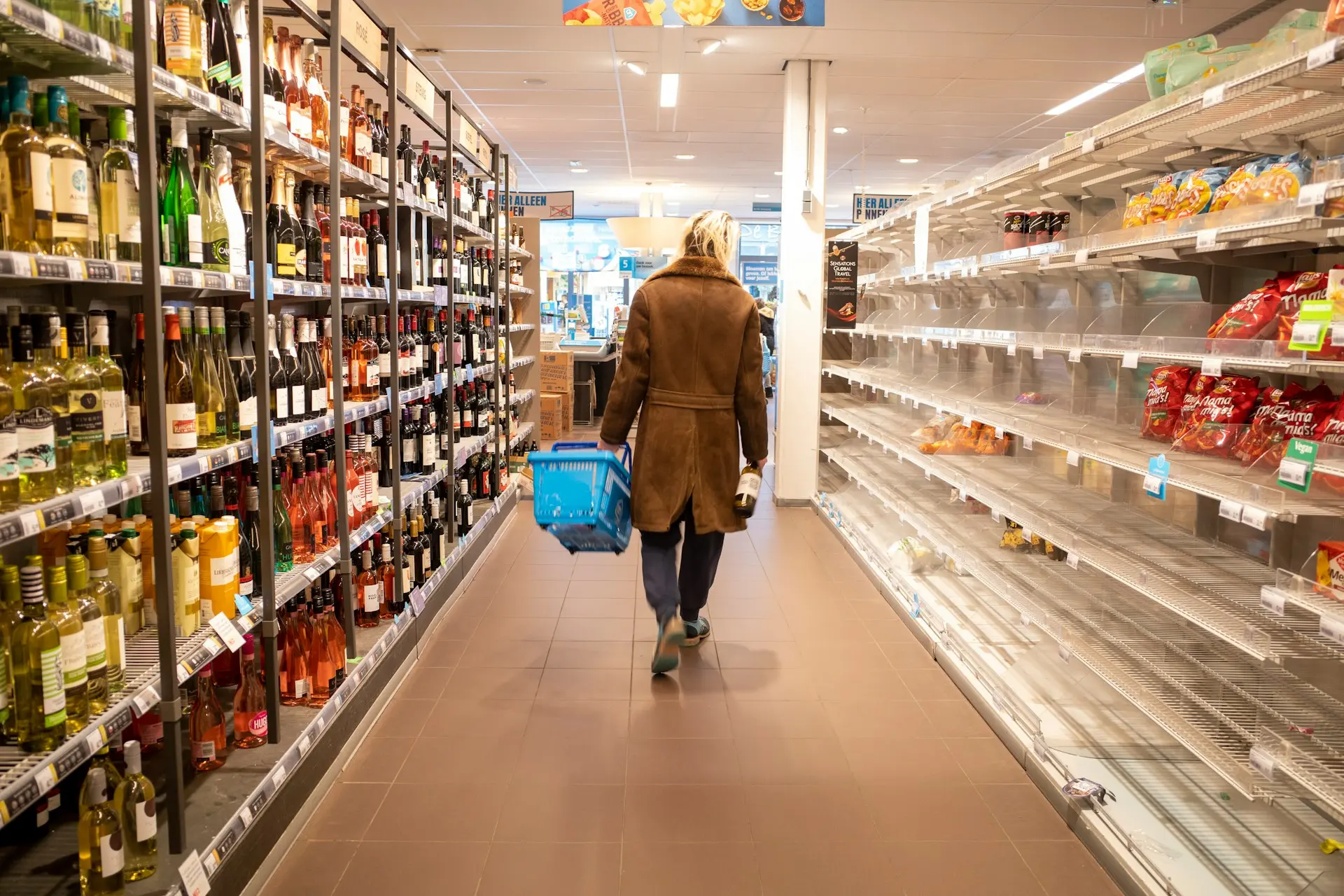
Lockdowns and shortages made something clear that most companies had overlooked for years: the supply chain is a strategic piece of every business. While store shelves sat empty and delivery dates kept slipping, many companies realized that improvised logistics was no longer good enough.
Since then, running an optimized supply chain has turned into a priority. A supply chain has to adapt to the unexpected, manage inventory and get finished goods to the customer on time. That is what keeps a business running and growing.
It is not only about moving goods from one place to another. A supply chain has to meet demand, adjust when demand shifts, and keep the customer satisfied above everything else.
This matters even more in the age of e-commerce, where customers expect faster delivery and fewer excuses every year. A reliable supply chain is not a nice-to-have anymore. This guide from Ninja Excel walks through what a supply chain is, how it works, the main types and why getting it right drives growth.
What you’ll learn in this article
- What a supply chain is and how it differs from logistics
the full scope of the chain, from raw material to the customer’s door. - The five stages of a working supply chain
sourcing, production, storage, transportation and delivery, step by step. - The four most common types of supply chain
agile, flexible, continuous replenishment and lean, with a real example of each. - The elements that make a supply chain efficient
inventory, coordination, data and traceability, and why each one counts. - The current challenges and the technology solving them
from global disruptions to ERP, IoT and AI tools already in use.
By the end of this article: you’ll understand what a supply chain is, identify the type that fits your business and know which elements to fix first.
Reading time: 7 minutes | Level: basic | For: managers, analysts and anyone mapping out their company’s supply chain
What is a supply chain?
A supply chain is a series of connected processes that turn raw materials into a finished product and move it to the customer. Each link adds value: a supplier contributes raw material, a plant transforms it, a warehouse stores it, and a carrier delivers it.
It covers much more than transport. A supply chain spans the full life cycle of a product, from raw material and production to distribution and sale.
Logistics focuses on moving and storing goods. A supply chain goes further: it includes supplier management, production planning and demand analysis, all aimed at meeting the customer’s needs.
How does a supply chain work?
Each stage feeds directly into the main goal: getting value to the customer, on time and at a fair cost. Here is the step-by-step.
1. Sourcing
It starts with finding and selecting suppliers a company can count on. This stage means buying the raw materials or components a product needs. Good sourcing keeps production running without delays and protects the final delivery date.
2. Production
Once materials arrive, the transformation begins. Raw materials become finished products through standardized processes with strict quality control. Planning has to track real supply and demand, so the company avoids overproduction or running short.
3. Storage
After production, goods need a safe, organized place to sit until they are needed. This is where inventory management comes in: keeping stock at the right level to fill orders without paying for space nobody needs.
Automated systems and current data show which products move fast and which need steady restocking. That is what lets a company meet customer needs on time.
4. Transportation
Next, products travel from the factory or warehouse to the store or the customer’s door.
A strong transport network gives a company visibility and traceability, which is why transport matters so much for e-commerce. A supply chain built for transport should guarantee:
- Optimized shipping routes.
- The right mode of transport for each shipment.
- Real-time tracking.
5. Delivery
The last stage is getting the product into the customer’s hands, through a store, a website or a marketplace. What matters is that it arrives in good condition and on the promised date.
An on-time, error-free delivery builds trust and loyalty, and that is what drives customer satisfaction.
Ninja Summary
- A supply chain has five stages: sourcing, production, storage, transportation and delivery.
- Each stage adds value on the way to the customer.
- A delay in one stage slows down every stage that follows.
Types of supply chain
No two supply chains look the same. The right design depends on the industry, production volume, location and the market itself. The most common types are:
- Agile supply chain: built for industries with heavy uncertainty, where demand changes often.
- Flexible supply chain: built to react to specific requests or sudden changes. A company that makes custom parts for industrial machinery is a good example, since every client needs something different.
- Continuous replenishment supply chain: built to keep products in stock through automatic restocking. Pharmacies and grocery stores need this to keep fast-moving staples always on the shelf.
- Lean supply chain: built to cut costs by removing waste at every step. Car plants running a just-in-time model use this to avoid excess inventory.
Key elements of a supply chain
Running a supply chain well comes down to a handful of elements:
- Inventory management: keep the balance between having stock on hand and moving it fast.
- Coordination between suppliers and distributors: keeps the flow of goods steady and prevents gaps.
- Technology and data: a supply chain built on data lets a company decide faster and with more confidence.
- Visibility and traceability: tracking a product from origin to customer builds transparency and control.
- Customer satisfaction: every decision in the chain should point back to meeting the customer’s needs.
Why good supply chain management matters
Managing the chain well pays off directly in several places:
- Lower operating and logistics costs.
- Faster delivery times, which raises customer satisfaction.
- The ability to meet demand without overproducing or running short.
- A stronger brand, because the company keeps the promises it makes.
Current challenges in the supply chain
The biggest challenges today include:
- Global disruptions: pandemics, geopolitical conflict, natural disasters.
- Constant swings in supply and demand.
- Shortages of raw materials, or their rising cost.
- Markets that expect faster, more personalized delivery.
Technology and digital transformation
Digital tools are reshaping supply chain management. The main ones are:
- ERP and SCM systems: bring every part of the chain together in real time.
- Data analytics: spot buying patterns and predict what is coming next.
- AI and automation: sharpen demand planning and inventory management.
- IoT and blockchain: add traceability and security at every stage.
Examples of supply chains that work
Amazon, Zara and Apple are the names that come up most often in supply chain management. Amazon rebuilt logistics around its global network of distribution centers. Zara can redesign and ship new clothing in a matter of weeks.
Apple, for its part, built a tightly managed system with its suppliers that holds quality and efficiency to a high bar.
Ninja Tip
Before buying new software, map the current supply chain on paper, step by step. Most delays trace back to one slow handoff between two steps, not to a lack of tools. Fix that handoff first, then look at technology.
Conclusion
A supply chain touches every part of the business, not only shipping and warehouses. It gets the product to the customer on time and in good shape, and that takes planning, not luck.
Its management shows up directly in profit, reputation and customer satisfaction.
The place to start is mapping the current chain, finding where it slows down, and backing every fix with real data.
Take the next step with Excel
Spreadsheets run most of a supply chain behind the scenes: inventory sheets, demand forecasts, supplier lists. Ninja Excel courses cover every level, with hands-on exercises inside Excel.
Still tracking supply data by hand?
Spreadsheets run every supply chain, from inventory sheets to demand forecasts. In Ninja Excel courses you solve exercises inside Excel, with live classes and progress reports for team leads.
You start with a skills assessment, so you do not repeat what you already know.
FAQ
What’s the difference between logistics and supply chain?
Logistics covers storing and moving goods. A supply chain covers everything from buying raw materials to the final delivery, including sourcing, production, inventory, transport and distribution. Logistics is one part of the supply chain, not the whole of it.
What types of supply chain exist, and how do I pick the right one?
There are four common types: agile, built for high uncertainty; flexible, built for custom or fast-changing orders; continuous replenishment, built for fast-moving staples; and lean, built to cut cost and waste. The right pick depends on the industry, how much demand swings, and the company’s goals.
Why does optimizing the supply chain matter?
An optimized supply chain raises customer satisfaction, cuts operating costs and lets a company react fast when the market shifts. It also strengthens the brand, avoids paying for inventory nobody needs, and keeps the promises the company made to its customers.
What technology improves supply chain management?
Companies lean on ERP and SCM systems, IoT, AI, blockchain and data analytics tools. Together they give real-time tracking, sharper planning, automated logistics and full traceability of the product.
What are the biggest challenges in supply chain management?
The main ones are global disruptions like pandemics or conflicts, raw material shortages, sudden demand swings and the push for faster delivery. Meeting them takes a chain that is resilient, flexible and built on current data.
How many stages does a supply chain have?
Five: sourcing, production, storage, transportation and delivery. Each one adds value, and a delay in one slows down every stage that follows.
Is supply chain management the same as inventory management?
No. Inventory management is one piece of the supply chain, the one that handles storage and stock levels. The supply chain also covers sourcing, production, transport and delivery, everything from raw material to the customer’s door.